Hazard Tree Assessment in Reading, MA
Not every leaning or ugly tree needs to come down, and not every healthy-looking tree is safe. A hazard assessment looks at the tree's structure and health and what it could hit if it failed. We connect you with independent local tree professionals who can assess trees and recommend options.
Reading homes at a glance
Source: U.S. Census Bureau, American Community Survey 2020–2024 5-year estimates, via Census Reporter.
What that means for hazard tree assessment in Reading
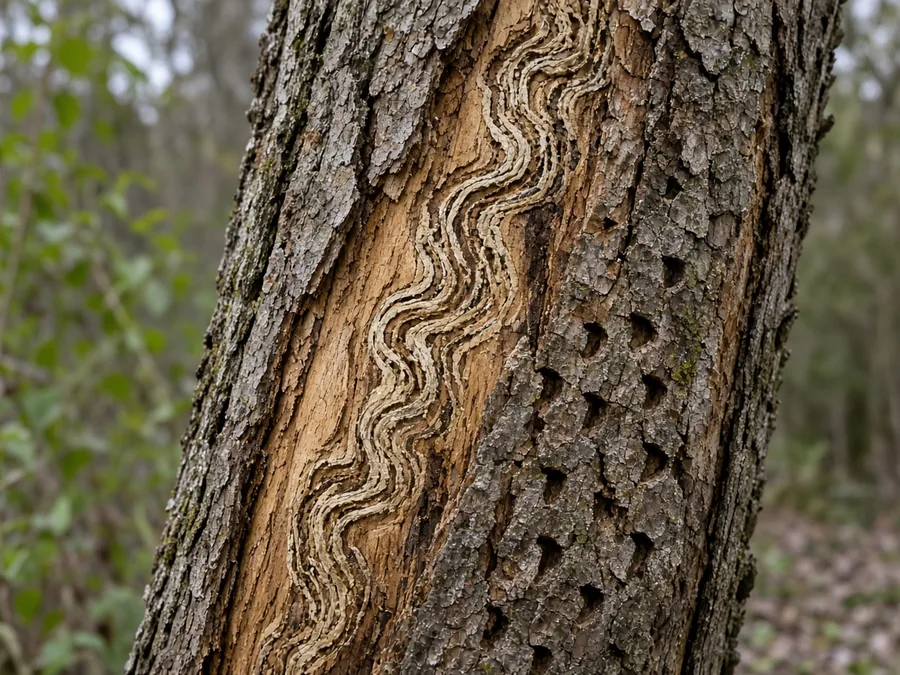
In Reading, many lots have mature trees close to the house, the driveway, or the street. Middlesex County is one of the counties where the state reports emerald ash borer has been detected, so ash trees deserve a closer look.
About 51% of homes in Reading were built before 1960, and the median home was built around 1960.
About Reading
Reading's open space plan describes the town as dotted with swamps and wooded wetlands, including Cedar Swamp and Timberneck Swamp. Trees in wet soil can be more prone to uprooting in high wind.
Electric service in Reading comes from the Reading Municipal Light Department (RMLD).
Signs to watch for
- Large dead limbs or a thinning crown
- Cracks, cavities, or mushrooms at the base
- A new lean, or soil lifting around the roots
- Ash trees with canopy dieback or bark splits
- A big tree near the house that you worry about in every storm
What the work typically involves
- Look at the whole tree. The assessor checks roots, trunk, branches, and canopy for defects and decay.
- Consider the target. Risk depends on what the tree could hit: a house, a driveway, a play area, or a road.
- Recommend options. Options include monitoring, pruning, cabling, or removal.
- Get it in writing. Ask for a written summary of findings and recommendations.
Helpful resources: M.G.L. c.87 §3: public shade trees and the tree warden · Mass.gov: Emerald ash borer in Massachusetts · Reading Open Space and Recreation Plan 2022-2029 · RMLD: Mission, history, and service area
Why tree problems matter
Dead limbs, cracks, rot, and leaning trees can fail in a storm and damage homes, cars, and power lines. Emerald ash borer is also killing ash trees across Essex and Middlesex counties, and declining ash trees are a growing safety concern.
Sources: ISA TreesAreGood: Recognizing Tree Risk · Mass.gov: Emerald Ash Borer in Massachusetts · USDA APHIS: Emerald Ash Borer · USDA Forest Service: Massachusetts Forest Health Highlights 2025 · ISA TreesAreGood: Storm-Related Tree Damage
Hazard Tree Assessment in Reading: FAQ
Is a tree on my Reading property my responsibility?
Generally, a tree on your property is yours to maintain. Trees on the public way are the town's. If you are not sure, ask the tree warden or public works department. We cannot give legal advice.
Does Reading require a permit to remove a hazardous tree?
Usually not for a tree on private property, though wetland areas and scenic roads can have extra review. A public shade tree on the public way can only be removed by or with the approval of the tree warden.
Who should do a hazard tree assessment?
Look for someone with arborist training. Ask whether an ISA Certified Arborist or Massachusetts Certified Arborist will do the assessment.
How do I know if my ash tree has emerald ash borer?
Common signs include canopy thinning and dieback, bark splits, woodpecker damage, and D-shaped exit holes. A professional can confirm it. The state tracks the beetle and asks that ash wood not be moved.